Search
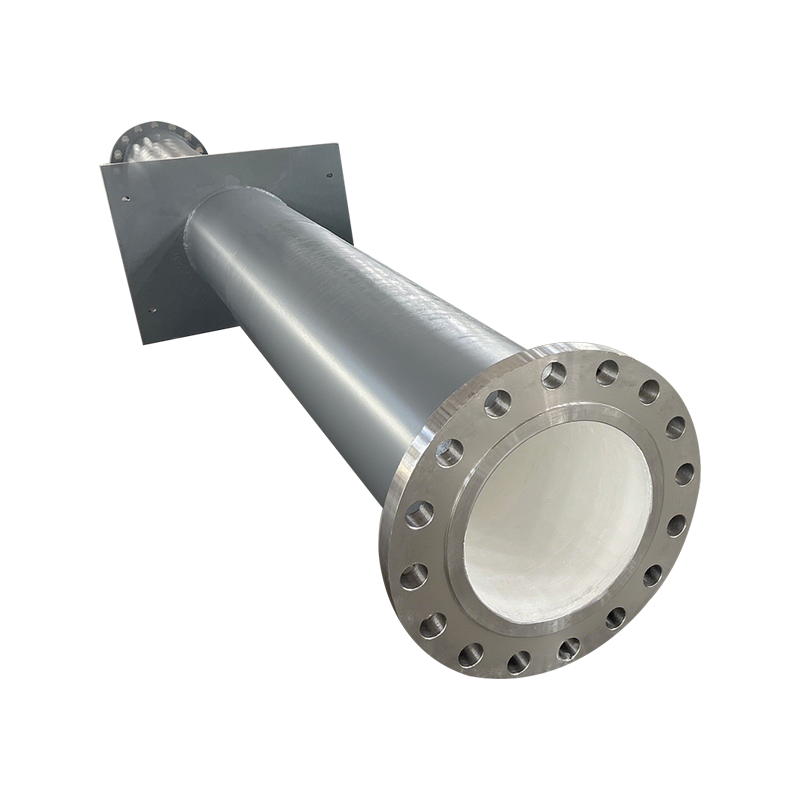
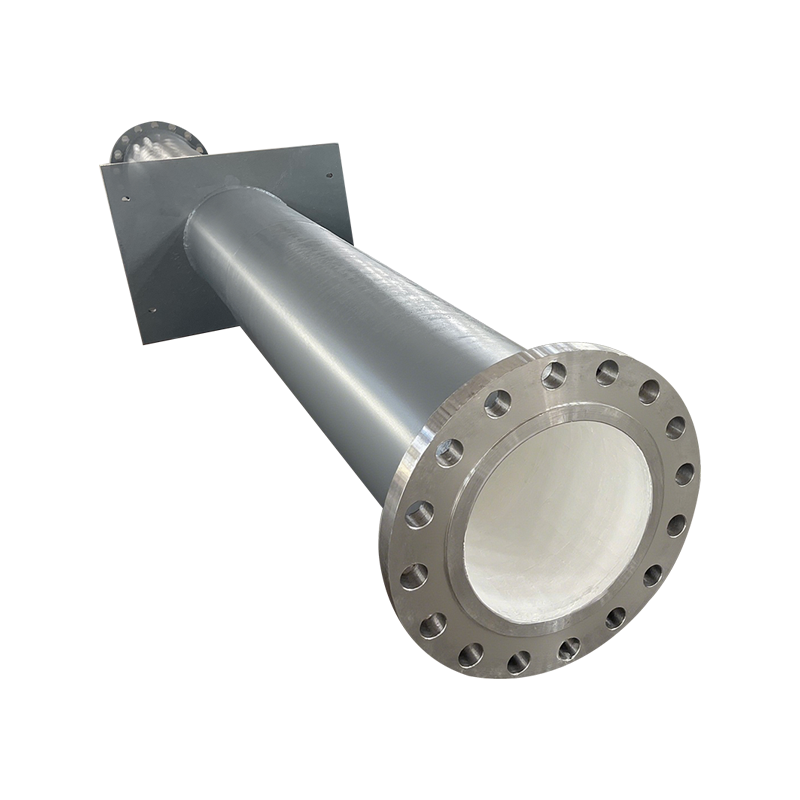
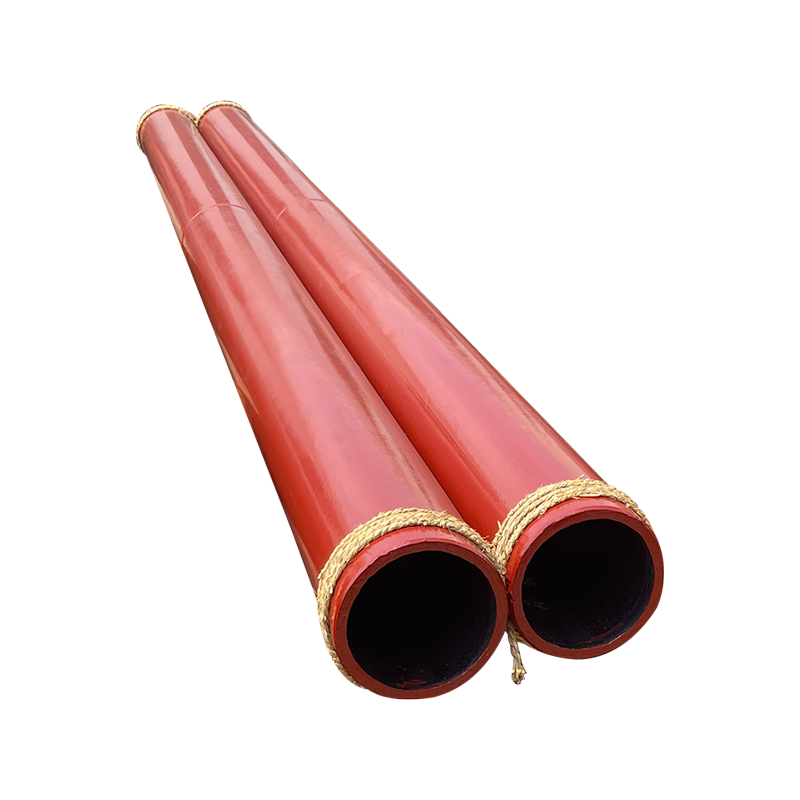
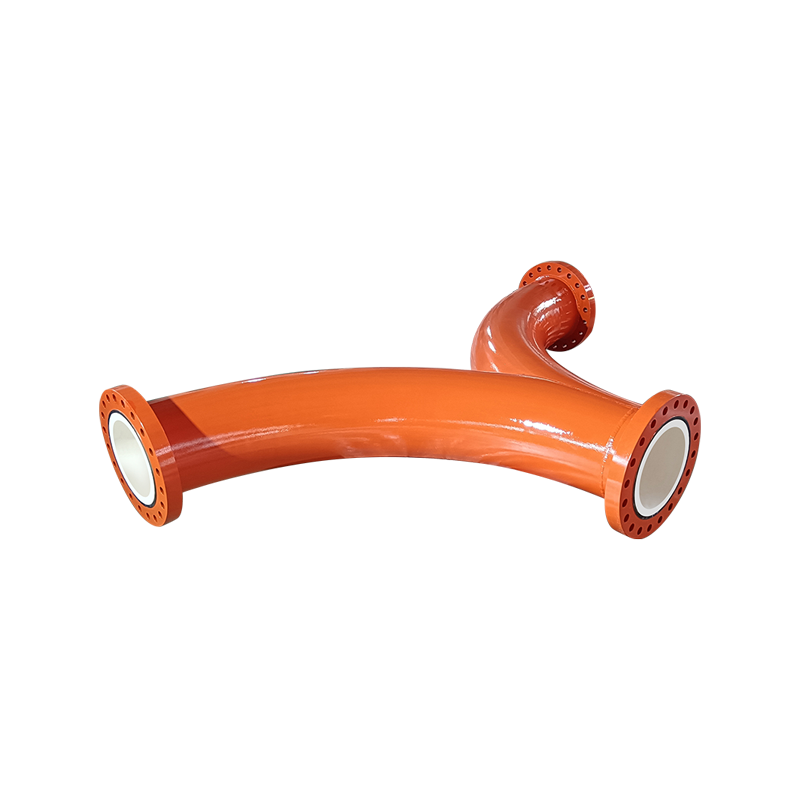
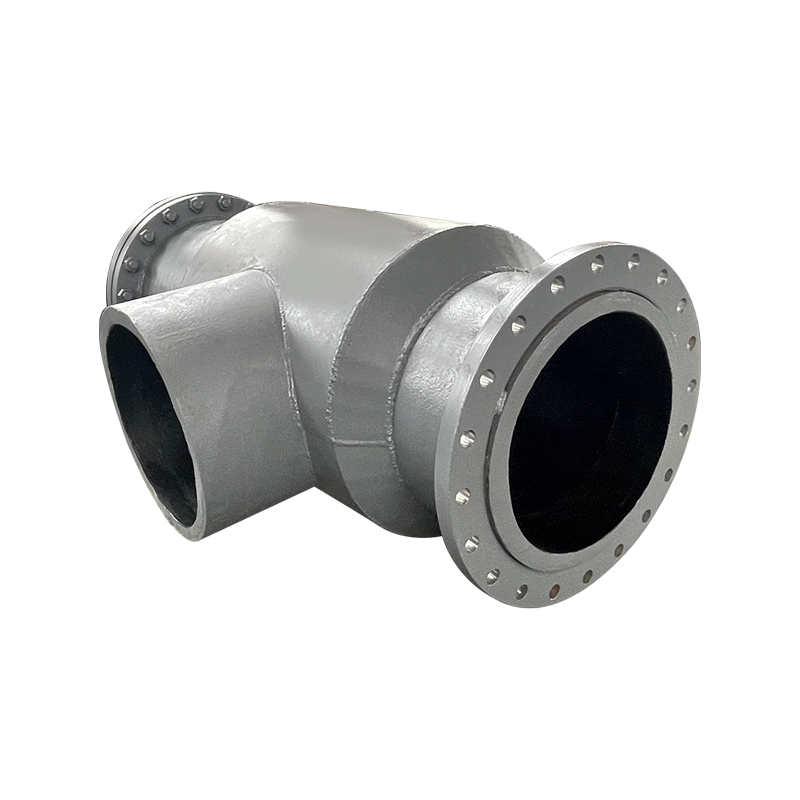
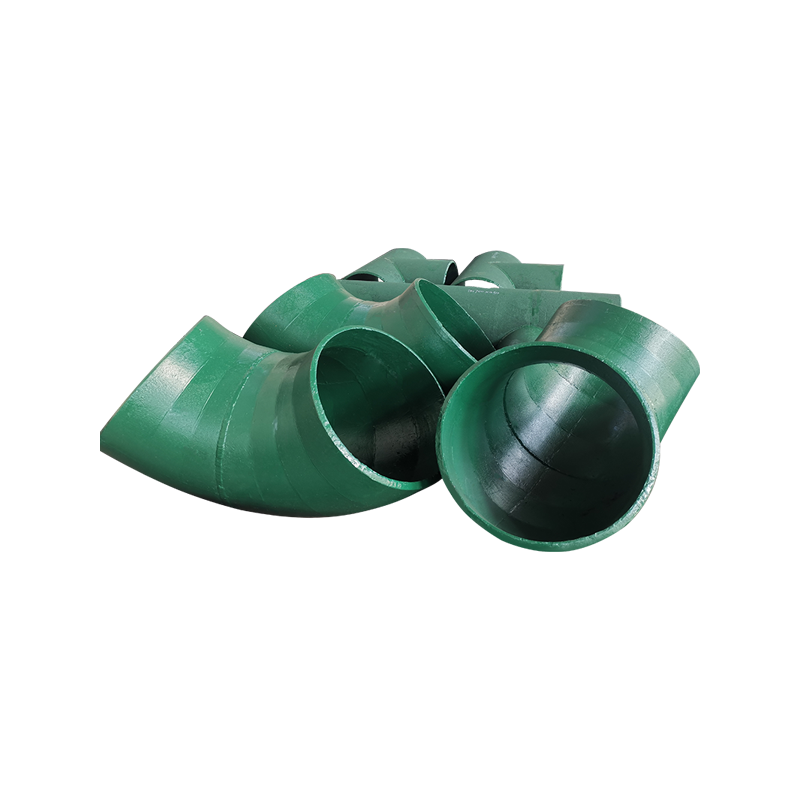
Adhesive ceramic wear-resistant pipe performs reliably under thermal cycling conditions when properly engineered, but its longevity depends heavily on the adhesive formulation, ceramic tile specifications, and the severity of temperature fluctuations. Most high-quality adhesive ceramic wear-resistant pipes maintain structural integrity across temperature ranges of −30°C to 350°C (−22°F to 662°F), provided the correct adhesive system is selected. When thermal cycles are extreme or rapid, differential thermal expansion between the ceramic lining and the steel substrate becomes the primary threat to long-term performance. Understanding this dynamic is essential for any engineer or procurement manager evaluating ceramic wear-resistant pipe for thermally demanding applications.
Why Thermal Cycling Is a Critical Challenge for Adhesive Ceramic Wear-Resistant Pipe
Thermal cycling refers to repeated heating and cooling cycles that a pipeline system experiences during operation, startup, and shutdown. For adhesive ceramic wear-resistant pipe, this creates a mechanical challenge rooted in physics: alumina ceramic (Al₂O₃) has a coefficient of thermal expansion (CTE) of approximately 7–8 × 10⁻⁶/°C, while carbon steel expands at roughly 11–12 × 10⁻⁶/°C. This mismatch means that with every temperature change, the steel substrate and the ceramic tiles expand and contract at different rates.
Over hundreds or thousands of cycles, this differential movement generates cumulative shear stress at the adhesive bond layer. If the adhesive cannot absorb or distribute this stress, it will eventually delaminate — causing tiles to debond, crack, or shift. This is why the adhesive selection for an abrasion resistant pipe is not a secondary decision; it is as critical as the ceramic tile specification itself.
ceramic wear-resistant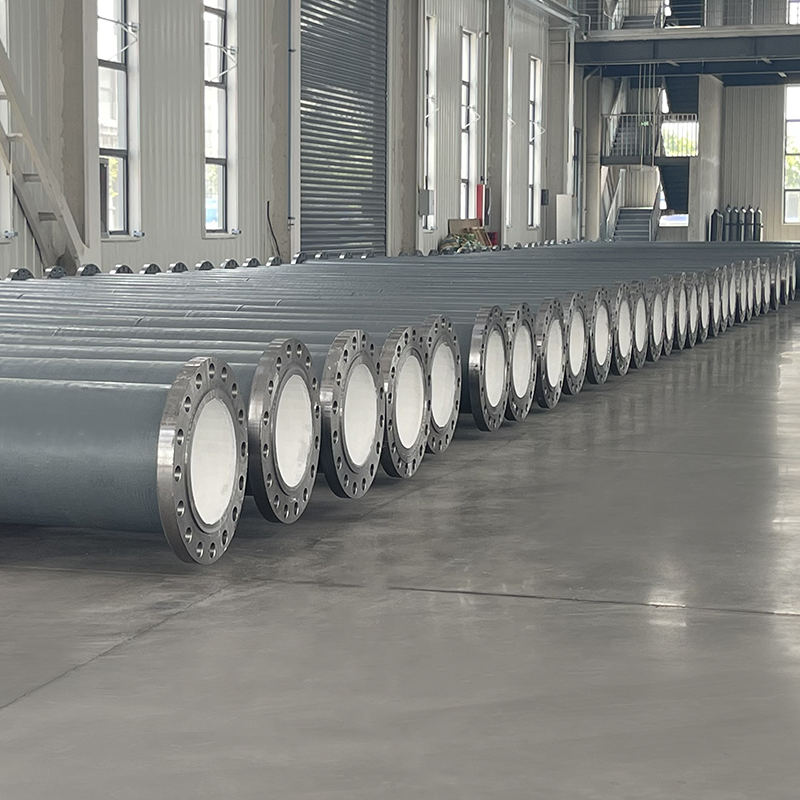
How the Adhesive System Determines Thermal Cycling Performance
The adhesive used in adhesive ceramic wear-resistant pipe must perform two conflicting roles simultaneously: it must bond rigidly enough to hold ceramic tiles against high-velocity abrasive flow, yet remain flexible enough to absorb thermally induced stress. The most widely used adhesive systems include:
- High-temperature epoxy adhesives: Suitable for continuous temperatures up to 180°C, with good chemical resistance. They become brittle above their glass transition temperature (Tg), making them unsuitable for applications with wide thermal swings beyond this range.
- Modified inorganic adhesives (silicate-based): These are used for high-temperature applications exceeding 300°C. They offer excellent heat resistance but lower flexibility, making them more prone to cracking under rapid thermal shock.
- Hybrid polymer-ceramic adhesives: These formulations combine organic flexibility with inorganic thermal stability, making them the preferred choice for adhesive ceramic wear-resistant pipe subjected to repeated thermal cycling between 0°C and 250°C.
In practice, many manufacturers of abrasion resistant steel pipe use a dual-layer bonding system: a flexible primer coat applied directly to the blasted steel substrate, followed by a high-strength ceramic adhesive layer. This approach allows the primer to act as a stress buffer during thermal expansion and contraction, significantly extending bond life.
Temperature Range Comparison: Adhesive Ceramic vs. Other Wear-Resistant Pipe Linings
To put the thermal performance of adhesive ceramic wear-resistant pipe in context, the table below compares it against common alternative lining technologies used in abrasive conveying systems:
| Lining Type | Max Continuous Temp. | Thermal Cycling Tolerance | Thermal Shock Resistance |
|---|---|---|---|
| Adhesive Ceramic Wear-Resistant Pipe | 250–350°C | Moderate to High | Moderate |
| Cast Basalt Lined Pipe | 300°C | Low | Poor |
| Rubber-Lined Pipe | 80–120°C | High (within range) | Good |
| UHMWPE-Lined Pipe | 80–100°C | Moderate | Good |
| Bimetal Composite Pipe | 500°C+ | Very High | Excellent |
As shown, adhesive ceramic wear-resistant pipe occupies a strong middle ground — outperforming rubber and UHMWPE at elevated temperatures while offering superior abrasion resistance compared to polymer alternatives. However, for applications exceeding 350°C, cast basalt or bimetal solutions should be evaluated instead.
Real-World Applications Where Thermal Cycling Is a Factor
Adhesive ceramic wear-resistant pipe is widely deployed in industries where thermal cycling is an unavoidable operational reality:
Coal-Fired Power Plants
In fly ash and bottom ash conveying systems, pipes regularly cycle between ambient temperature during shutdowns and operating temperatures of 150–220°C during full-load generation. Ceramic wear-resistant pipe installed in these systems with an inorganic adhesive has demonstrated service lives exceeding 5 years, compared to 12–18 months for unlined steel pipes in the same service.
Cement Manufacturing
Raw meal and clinker transport lines in cement plants frequently encounter hot material flows in the range of 200–300°C. Daily startup and shutdown cycles create significant thermal stress. In this environment, abrasion resistant pipe with a 92% alumina lining has been shown to reduce pipeline maintenance intervals from quarterly to annual replacement schedules.
Steel and Metallurgical Plants
Slag and granulated blast furnace (GBF) slurry systems experience both high abrasion and variable temperature conditions. Here, abrasion resistant steel pipe must simultaneously handle thermal cycling and impact loading from coarse slag particles — a dual challenge that places strict demands on both the ceramic tile grade and the adhesive system.
Adhesive ceramic wear-resistant
Key Factors That Reduce Thermal Cycling Damage in Adhesive Ceramic Wear-Resistant Pipe
Engineers can significantly extend the service life of adhesive ceramic wear-resistant pipe in thermally demanding environments by controlling the following variables:
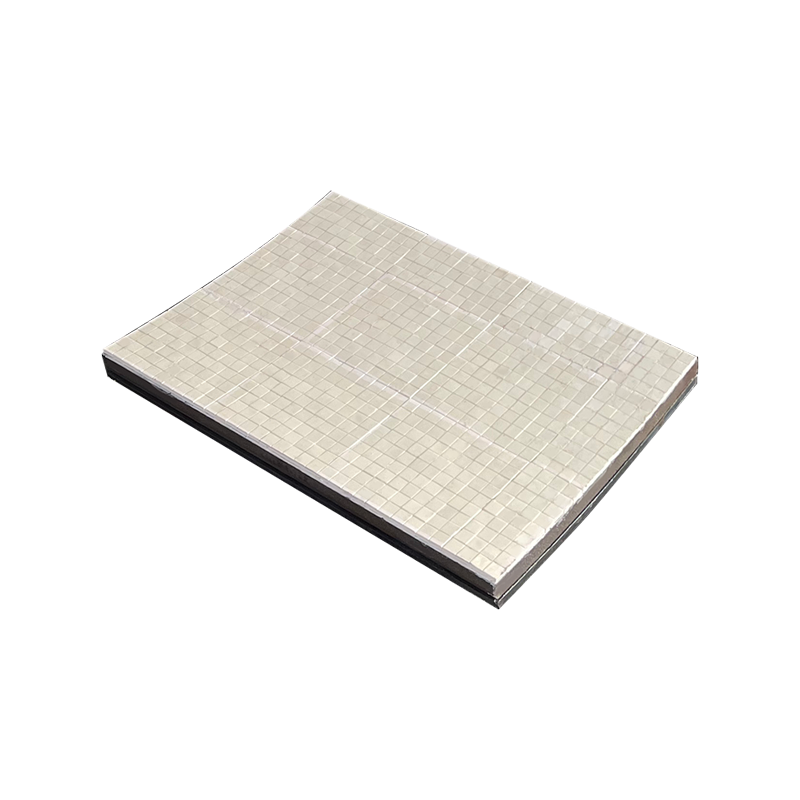
- Tile size optimization: Smaller ceramic tiles (e.g., 25mm × 25mm × 6mm) accumulate less internal thermal stress than larger tiles. Smaller format tiles are strongly recommended for systems with temperature swings greater than 100°C.
- Grout joint design: Incorporating controlled grout joints between tiles allows for thermal movement without building up stress at the adhesive interface. A joint width of 1–2mm filled with flexible refractory mortar is commonly used.
- Steel substrate pre-treatment: Sa 2.5 or Sa 3 blast cleaning of the inner pipe surface, achieving a surface roughness (Rz) of 50–70 μm, significantly improves adhesive anchoring and reduces the risk of delamination during thermal stress events.
- Controlled cure cycles: Allowing the adhesive to fully cure at the correct temperature before the pipe enters service prevents premature bond failure. Many high-temperature adhesives require a staged cure: room temperature hardening followed by a post-cure at 80–120°C for 2–4 hours.
- Rate of temperature change: Wherever operationally possible, limiting the rate of temperature increase to below 5°C per minute during startup reduces the instantaneous thermal shock load on the adhesive bond layer.
Inspection and Maintenance Recommendations for Thermally Cycled Adhesive Ceramic Wear-Resistant Pipe
Even well-engineered adhesive ceramic wear-resistant pipe requires a structured inspection regime when thermal cycling is a regular part of operations. The following maintenance schedule is recommended:
- Initial inspection at 3 months: After the first season of thermal cycling, perform an internal visual inspection using a borescope or pipe inspection camera to identify any early tile debonding, grout joint cracking, or tile displacement.
- Annual tap testing: Use a calibrated hammer or tap test tool to audit the bond integrity of the ceramic tiles. A hollow sound indicates delamination. Any loose tiles should be re-bonded or replaced before they dislodge and cause downstream damage.
- Thermal imaging during operation: Infrared thermography can detect areas of ceramic tile loss or thinning from the outside of the pipe, as exposed steel runs measurably hotter than ceramic-lined sections under the same conveying conditions.
- Section replacement threshold: When more than 15% of the ceramic tile area in any single pipe section shows signs of debonding or loss, that section of adhesive ceramic wear-resistant pipe should be scheduled for full relining or replacement rather than spot repair.
Adhesive ceramic wear-resistant pipe is a technically sound and cost-effective solution for the majority of industrial thermal cycling scenarios, particularly where operating temperatures remain below 300°C and temperature change rates are moderate. Its combination of high alumina hardness (HV 1200–1500), chemical inertness, and adaptable adhesive systems makes it one of the most versatile abrasion resistant steel pipe solutions available for power generation, cement, mining, and metallurgical applications.
The key to maximizing performance under thermal cycling is not simply choosing any ceramic wear-resistant pipe — it is selecting the correct adhesive formulation, tile format, and surface preparation standard for your specific temperature profile. Working with a supplier who can provide documented thermal cycle test data and field case references for your industry is strongly advised before committing to a full installation.